
By Steven Fletcher
Originally published in the Winnipeg Sun, October 11, 2026. View the original article ↗
Wab Kinew is one of the most popular premiers in the country, and it’s easy to see why. He’s a gifted communicator, he’s at ease in front of a camera, and he works hard at looking like a premier for everyone. Probe Research’s September poll had his approval at 68 percent.
Popularity isn’t a record, though. With an election set for October 5, 2027, it’s worth looking past the speeches at what three years of NDP government have produced. I’ve gone through the public accounts, regulator orders, wait-time data and the NDP’s own 2023 platform. The numbers are mixed.
Some of the news is good. Police-reported crime in Manitoba fell 9 percent in 2025, according to Statistics Canada, and Winnipeg homicides fell by nearly half. The Auditor General gave the province’s 2024-25 financial statements a clean opinion, the first since 2017. The government is also still aiming to balance the budget in 2027-28, the year its platform promised. A fair critic should say so.
The deficits are another matter. The platform forecast a deficit of $287 million in 2024-25 and $128 million in 2025-26. The actual deficits were $1.1 billion and $832 million. The government will say its platform started from the previous government’s numbers, and there’s some truth in that. Still, a forecast that misses by a factor of four and then six didn’t hold. And the balanced budget promised for 2027-28 won’t be confirmed until the public accounts come out, well after the election.
Health care was the NDP’s central promise, and the government has hired. It reports 4,725 net new health workers since 2023, though that’s its own count, and it hasn’t published full-time equivalents or regional figures. Patients are waiting longer anyway. The median wait for an MRI went from 110 days to 151, and for a CT scan from 36 days to 60. The share of knee replacements done within the national benchmark fell from 44 percent to 31. Canada’s median MRI wait is 59 days, so Manitoba’s is two and a half times the national figure.
On hydro, the government froze rates for a year. The Public Utilities Board has since approved increases of 4.0 percent, 3.5 percent, and 3.0 percent over three years, about 10.9 percent compounded. In its March order the board called the earlier freeze “Government-imposed.”
Hydro’s own forecast now has its debt rising by $8.6 billion over 20 years rather than falling. Those are the regulator’s figures, not mine.
Homeowners saw the previous government’s 50 percent school tax rebate replaced with a flat On hydro, the government froze credit. Whether a family comes out ahead depends mostly on what their home is worth.
Overall, this government has been good at announcements and good at politics, and uneven at delivery. Crime is down and the books are cleaner. Wait times are up, deficits have run well above the plan, and the bills for hydro and debt are coming due.
None of this tells anyone how to vote. That’s up to them. But voters deserve to decide on the record rather than the performance. Every figure here comes from a public source: the provincial public accounts, the Public Utilities Board, the Canadian Institute for Health Information, Statistics Canada and the NDP’s own platform. Anyone can check them.
Between now and next October, Manitobans will hear a lot about what this government intends to do. They should hear just as much about what it has done.
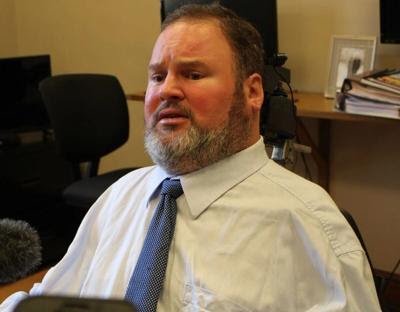
The Hon. Steven Fletcher is a former Member of Parliament, federal cabinet minister and Manitoba MLA.